
From Sponsor to Storyteller: The Future of Brand Experiences (2026+)
Logos Don’t Build Loyalty. Stories Do.
There was a time when a step and repeat and a logo placement felt like a win.
Secure the sponsorship. Add the signage. Count impressions. Move on.
That formula is aging out.
Audiences are sharper. Feeds are crowded. Cultural fluency matters more than logo dominance. If your brand shows up without a point of view, people scroll right past it.
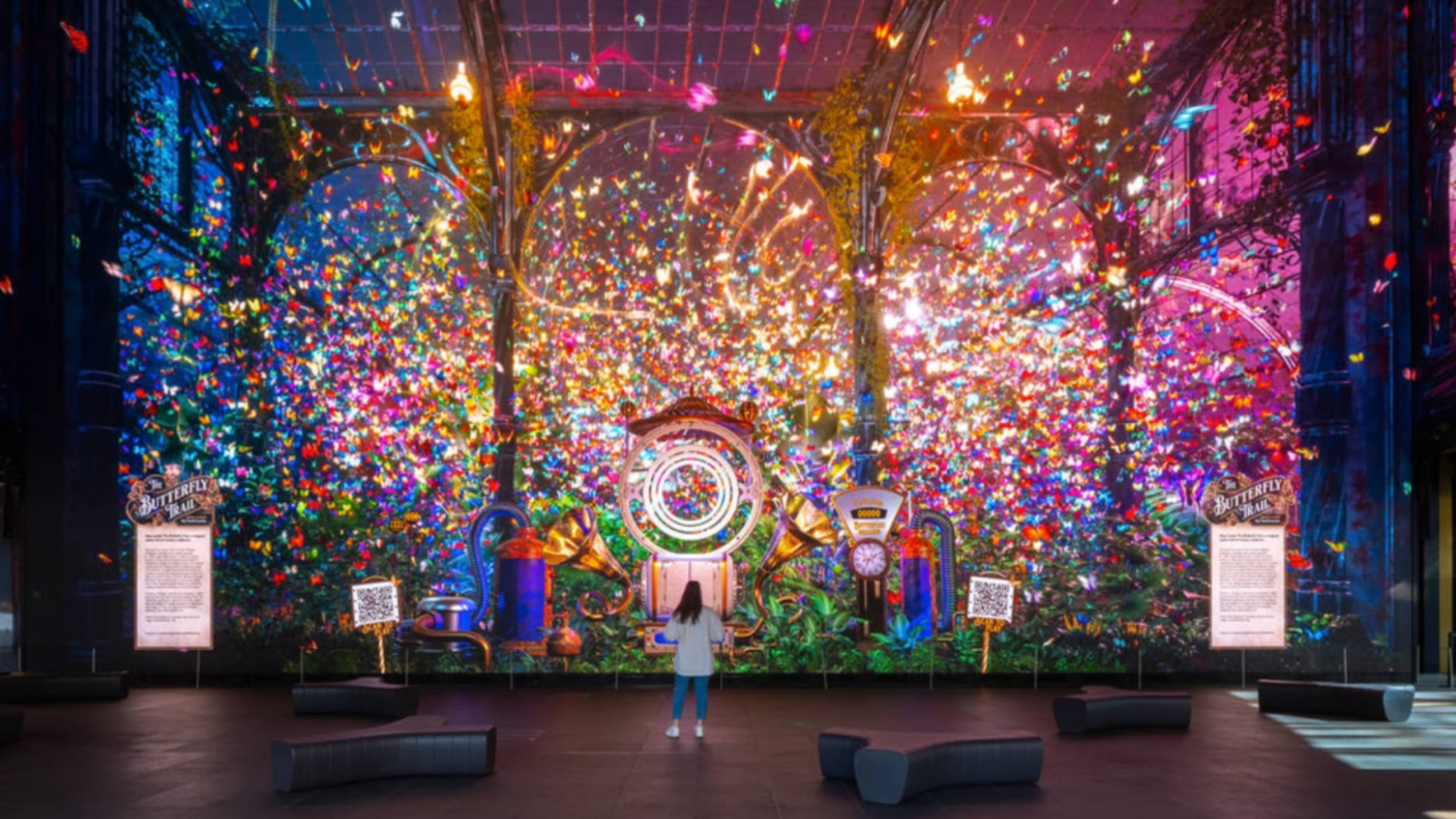
The future of experiential marketing belongs to brands that create worlds, not just moments.
We are watching a clear shift in 2026 and beyond. From sponsor to storyteller. From exposure to immersion. From scale to resonance.
The Shift to Brand Worlds
Immersion Over Impressions
Impressions measure exposure. Immersion builds memory.
Immersive brand experiences are designed as controlled environments. Every detail aligns with the brand’s perspective. Lighting, layout, sound, scent, pacing.
The question is no longer how many people attended. It is how deeply they engaged.
When guests feel transported, the brand stays with them.
Cultural Relevance Over Scale
Scale used to signal success. Now precision does.
A curated 120-person room with the right founders, press, and community leaders often outperforms a 2,000-person open invite.
Experiential trends in 2026 reflect this shift. Brands are prioritizing influence over volume and alignment over reach.
Relevance is the new metric.
What Brands Are Doing Differently
Multi-Sensory by Design
Designing for photos is baseline. Designing for memory is strategic.
Sound design. Tactile materials. Interactive touchpoints. A clear guest journey.
The strongest immersive brand experiences consider how a guest moves through the space and what they feel at each stage.
This is brand strategy expressed physically.
Narrative-Led Execution
Themes are decorative. Narrative is directional.
High-performing brand experiences are structured with a clear story arc. Introduction. Build. Reveal. Takeaway.
Every decision ties back to that narrative. Partnerships, programming, visuals, even the menu.
If the experience does not communicate a clear point of view, it is just production.
Fewer Guests, Higher Impact
Brands are getting comfortable with intimacy.
Private previews. Curated dinners. Closed-door summits.
Smaller rooms create stronger relationships and better content. They also create scarcity, which drives attention beyond the room itself.
Depth is outperforming volume.
Events as Content Ecosystems
Built-In Media Moments
Events are no longer one-night plays. They are content engines.
Design now includes camera angles, lighting temperature, and intentional capture points from the start.
If you are planning content after the floorplan is finalized, you are late.
The future of experiential marketing integrates media strategy into production.
Press-Ready Thinking
Editors attend for perspective, not parties.
Strong brands design events with a clear angle. A founder insight. A cultural tie-in. A data story.
When narrative and environment align, coverage follows.
Why the Future Belongs to Brands That Feel Like Culture
The brands that will lead in 2026 and beyond will not look like sponsors. They will look like contributors to culture.
They will understand that immersive brand experiences are not about visibility alone. They are about perspective.
They will design environments that feel intentional. Guest lists that feel curated. Stories that feel cohesive.
The future of experiential marketing is not about being seen everywhere.
It is about being felt in the right rooms.
And the brands that master that shift will not need to chase attention.
They will command it.
If your event needs to drive positioning, partnerships, and long-term brand equity, not just attendance, let’s start there.
Share your brief here.